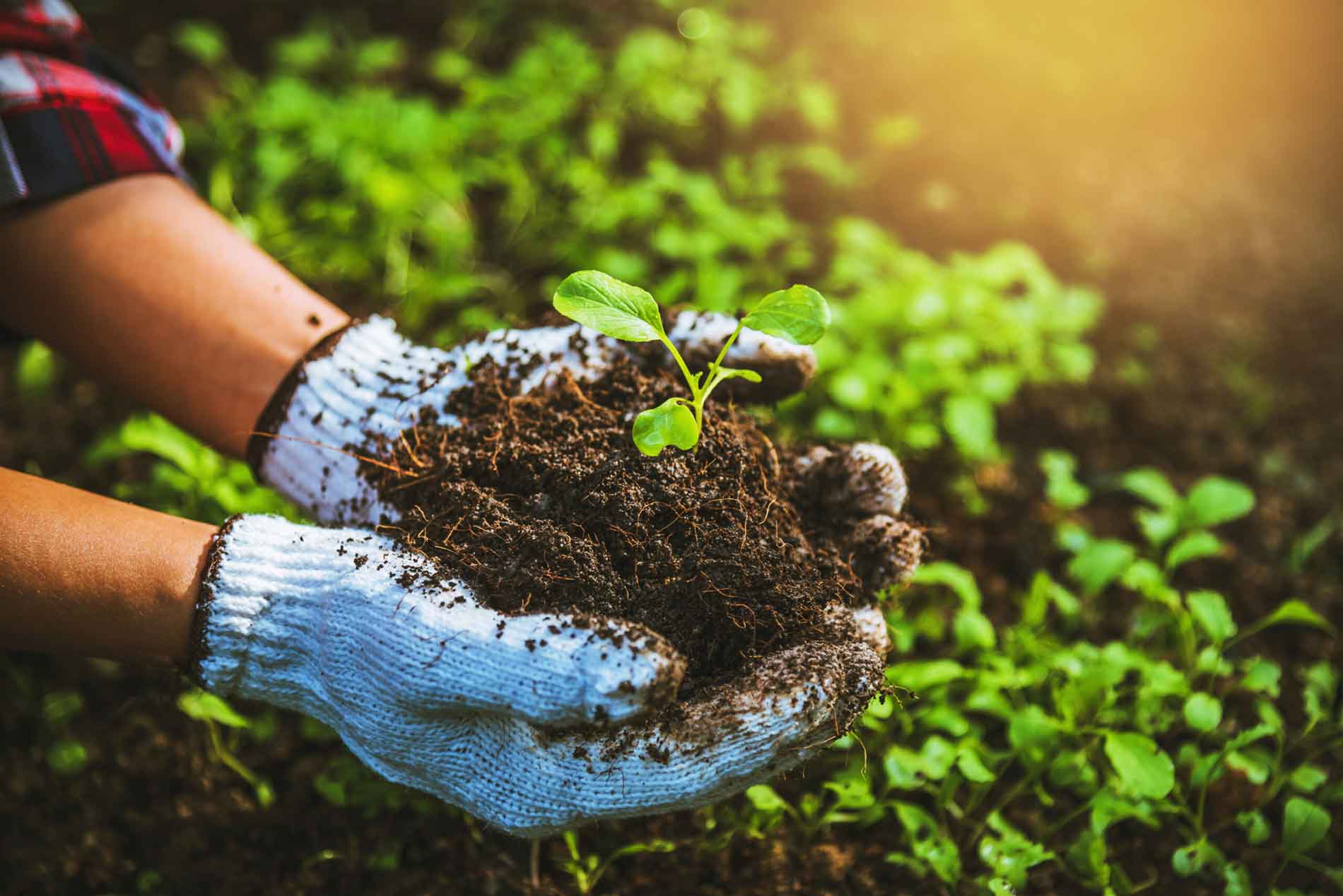
Mitigate the future
EDU_CLIMATE is an Erasmus+ project focused on integrating climate change adaptation into vocational education and training (VET) for culinary students.




Climate change is no longer a future challenge—it is already shaping how we live, work, and learn. Adapting means developing new skills, rethinking everyday practices, and being prepared for a rapidly changing world.
EduClimate is a European project that places climate adaptation at the heart of vocational education and training. Through practical resources, innovative tools, and accessible learning opportunities, it helps learners, teachers, and training centres build the skills needed to face today’s climate reality with confidence and resilience.
Because the future cannot be stopped. But it can be faced.
Want to be part of the change?
About




EduClimate is implemented by a consortium of five European organisations working together to combine expertise in education, sustainability, and innovation. The project is coordinated by STICHTING LANDSTEDE (Netherlands) and brings together partners with complementary roles, ensuring both strong scientific grounding and practical application across the VET sector.
Partners

Climate scientists conclude that human activities account for almost all observed global warming since the industrial era.

Mitigation alone is no longer enough. Climate change is already reshaping the way we live, work, and produce food. Adapting is no longer optional. From ingredients and supply chains to culinary practices and consumer habits, the food sector is facing new challenges every day. Building resilience now is essential to creating a more sustainable, secure, and future-ready food system.

Climate change is already transforming the food sector, affecting crops, water availability, seasonal production and professional practices in kitchens and hospitality environments. Educating future professionals about climate adaptation is essential to help them develop sustainable cooking methods, reduce food waste, work with new ingredients and respond to increasingly frequent environmental challenges. Through education, VET learners can become more resilient, responsible and prepared for the future of the food industry.